Studio D 2017
Directors: Arch Sarah Ganzel, Arch Omer Frank
סטודיו ד' תשע"ח
מנחים: אדר' שרה גנזל,אדר‘ עומר פרנק
In this semester, the urban environment of the project and its contribution to the complex urban system were examined, in a wide scale.
At the beginning of the semester we examined the idea of the ideal city and served as a satellite exercise that accompanied the products during it. My ideal city relates to the wandering experience in the city described by Kevin Lynch.
During the semester I studied the systems that make up the city of Jerusalem in an attempt to diagnose the connections that take place between these systems.
The anti-cul de sac project deals with the experience of merging these systems, and turns the roaming experience into an unstoppable one.
The project attempts to propose a structural thesis that can connect between completely different areas in the city, placing it in the complex site where it is located, as a case study of its success in an attempt to connect the various areas of the city with changing variations.
בסמסטר זה נבחנה הסביבה האורבנית של הפרויקט ותרומתו למערכת העירונית המורכבת, בקנ"מ רחב.
בתחילת הסמסטר נבחן רעיון העיר האידיאלית, ושימש כתרגיל לוויני שליווה את התוצרים במהלכו,העיר האידיאלית שלי מתייחסת לחווית השוטטות בעיר אותה מתאר קווין לינץ'.
במהלך הסמסטר בחנתי את המערכות שמרכיבות את העיר ירושלים,בניסיון לאבחן את החיבורים שמתרחשים בין אותן מערכות.
הפרויקט 'אנטי כול דה סאק', עוסק בניסיון התפירה של אותן מערכות, והפיכת חווית השוטטות לנהירה ובלתי ניתנת לעצירה.
הפרויקט מנסה להציע תזה מערכתית-מבנית שתוכל לקשר בין איזורים שונים בתכלית בעיר,הצבתו באתר המורכב בו הוא ממוקם משמשת כמקרה בוחן להצלחתו בניסיון לקשר בין איזוריה השונים של העיר בווריאציות משתנות.
Ember - MOBILE TRANSFORMABLE UNITS FOR WILDFIRE RESILIENCE IN PERI-URBAN ECOLOGIES | 2025-2026
Architectural Association School of Architecture
M.Arch -Design Research Labratory
Guided by: Dr Pierandrea Angius, Angel J. Tenorio Castillo, Anna Kondrashova, Ashwin Shah
Design team: Sandip Kale and Hu Yuxuan
Publications:

Render view of the living units clusters on site
The thesis explores a visionary framework for a community of mobile, transformable, and self-sustaining architectural units specifically designed to address the escalating threat of wildfires in peri-urban and climate-vulnerable environments
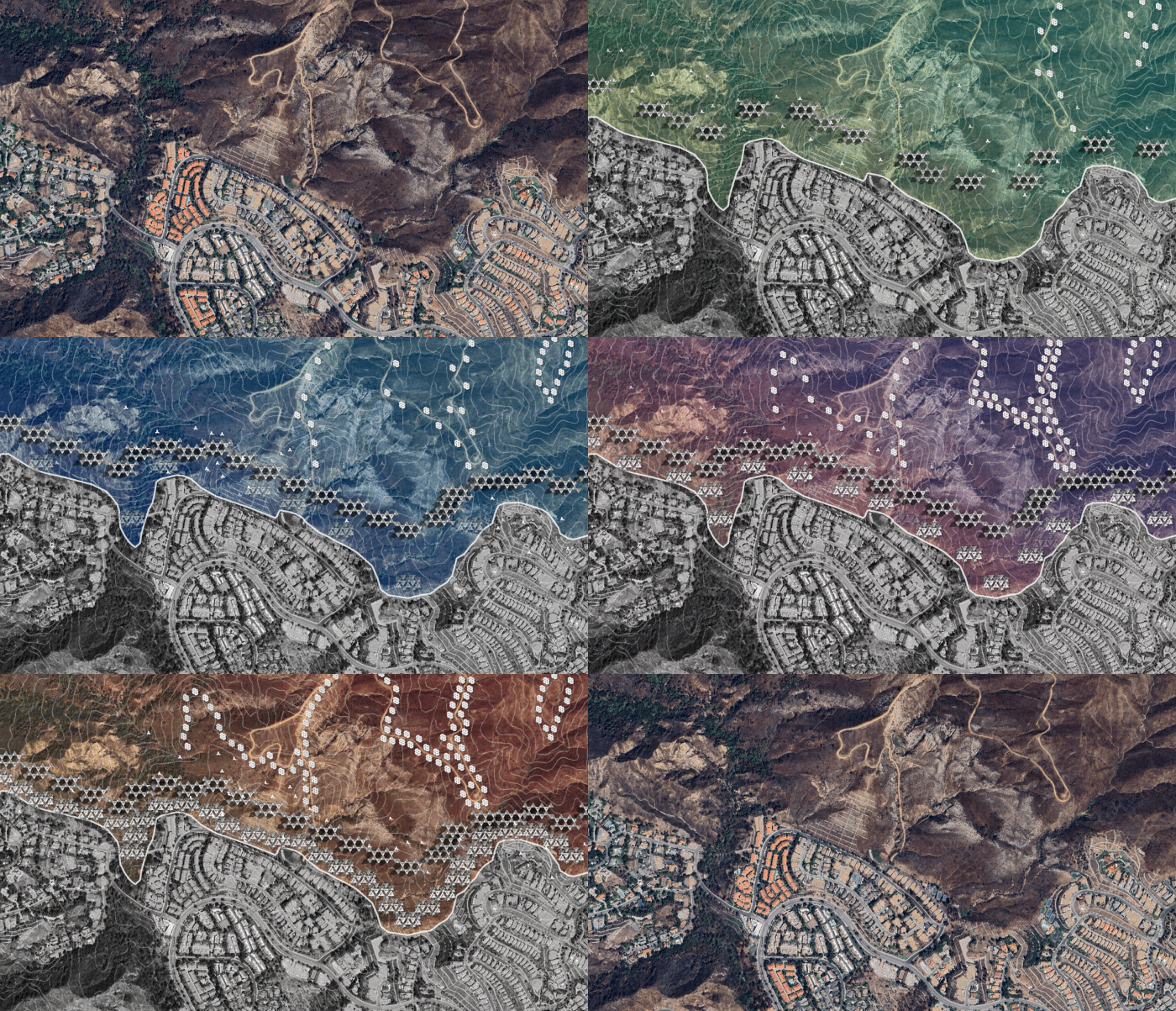
Units clusters masterplan and transformation throughout the different yearly seasons
These units represent a hybrid between architecture and environmental infrastructure, proposing a new typology that combines autonomy, adaptability, and ecological intelligence. The system envisions an interconnected network of responsive structures capable of relocating and reshaping themselves in direct response to dynamic environmental conditions.
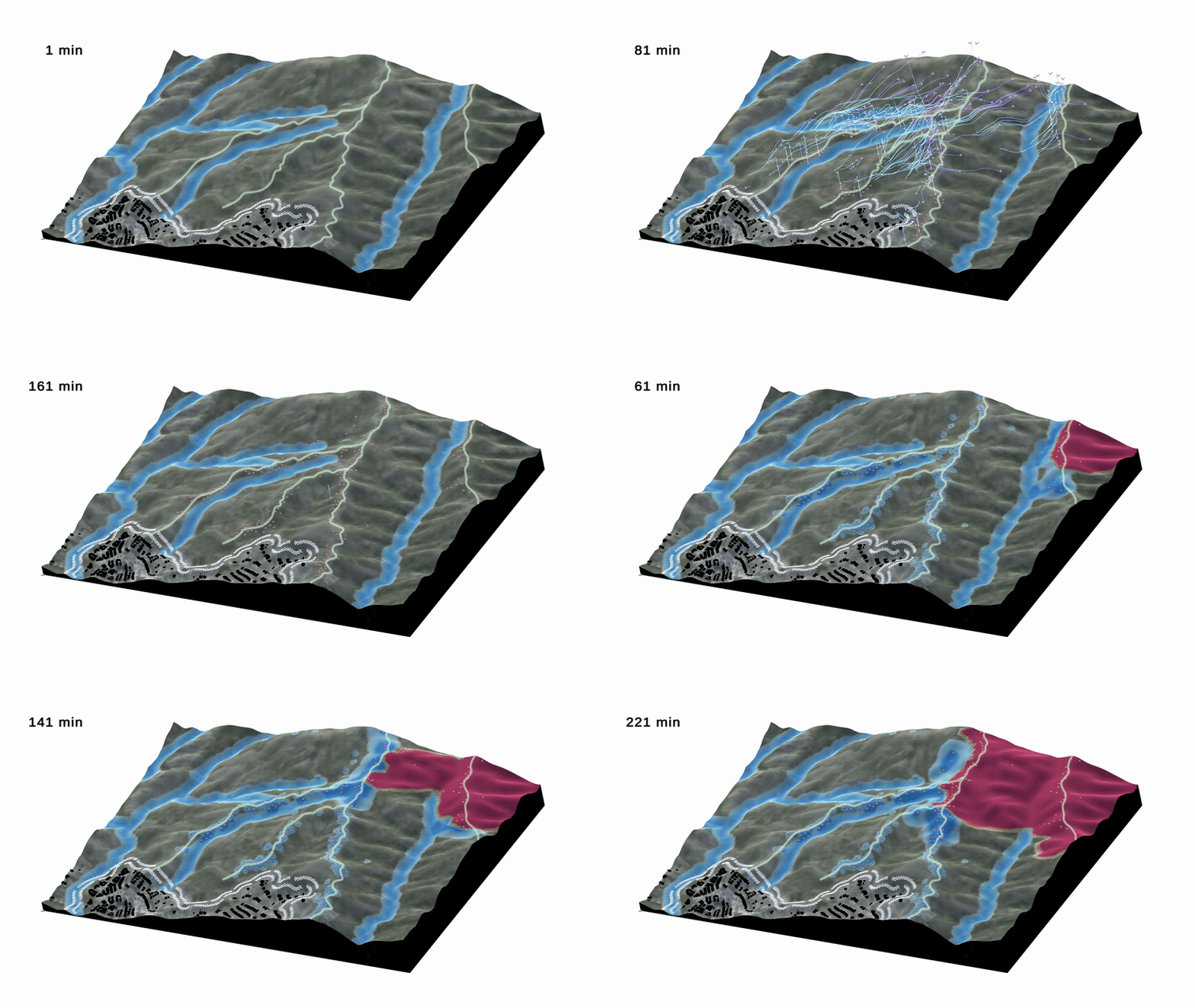
Wildfires simulation of the Pacific Palisades site and the units mitigation strategy
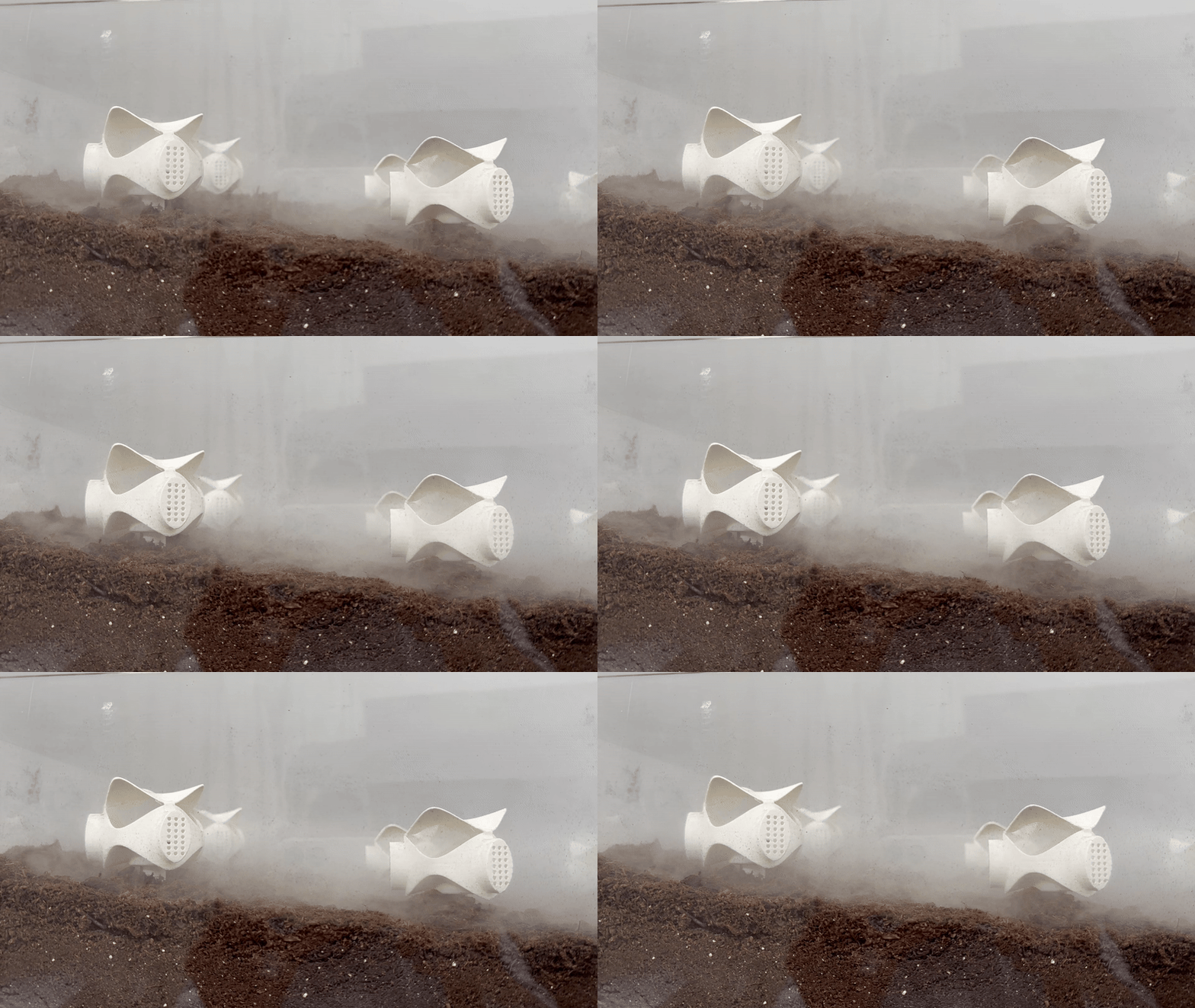
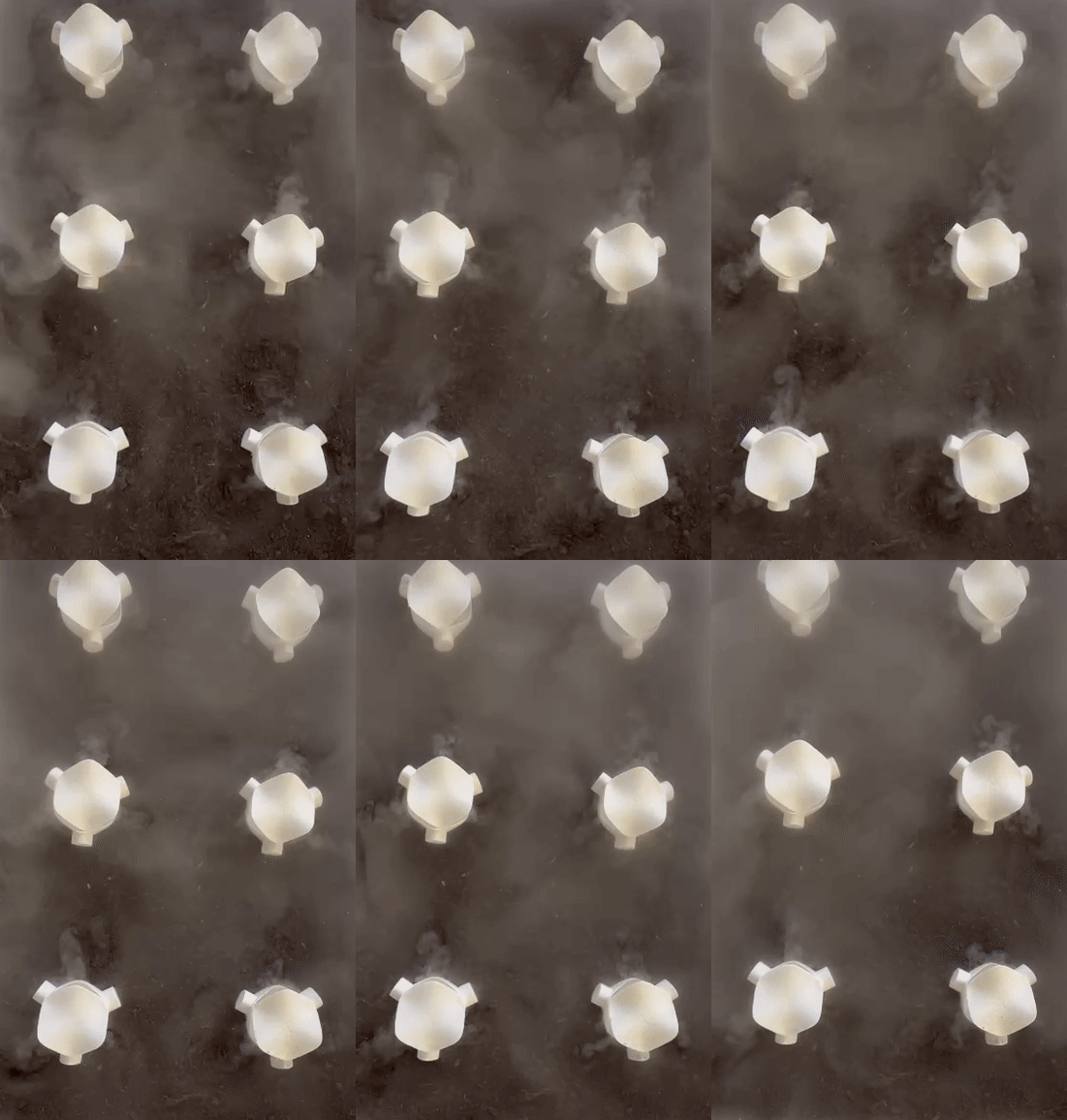
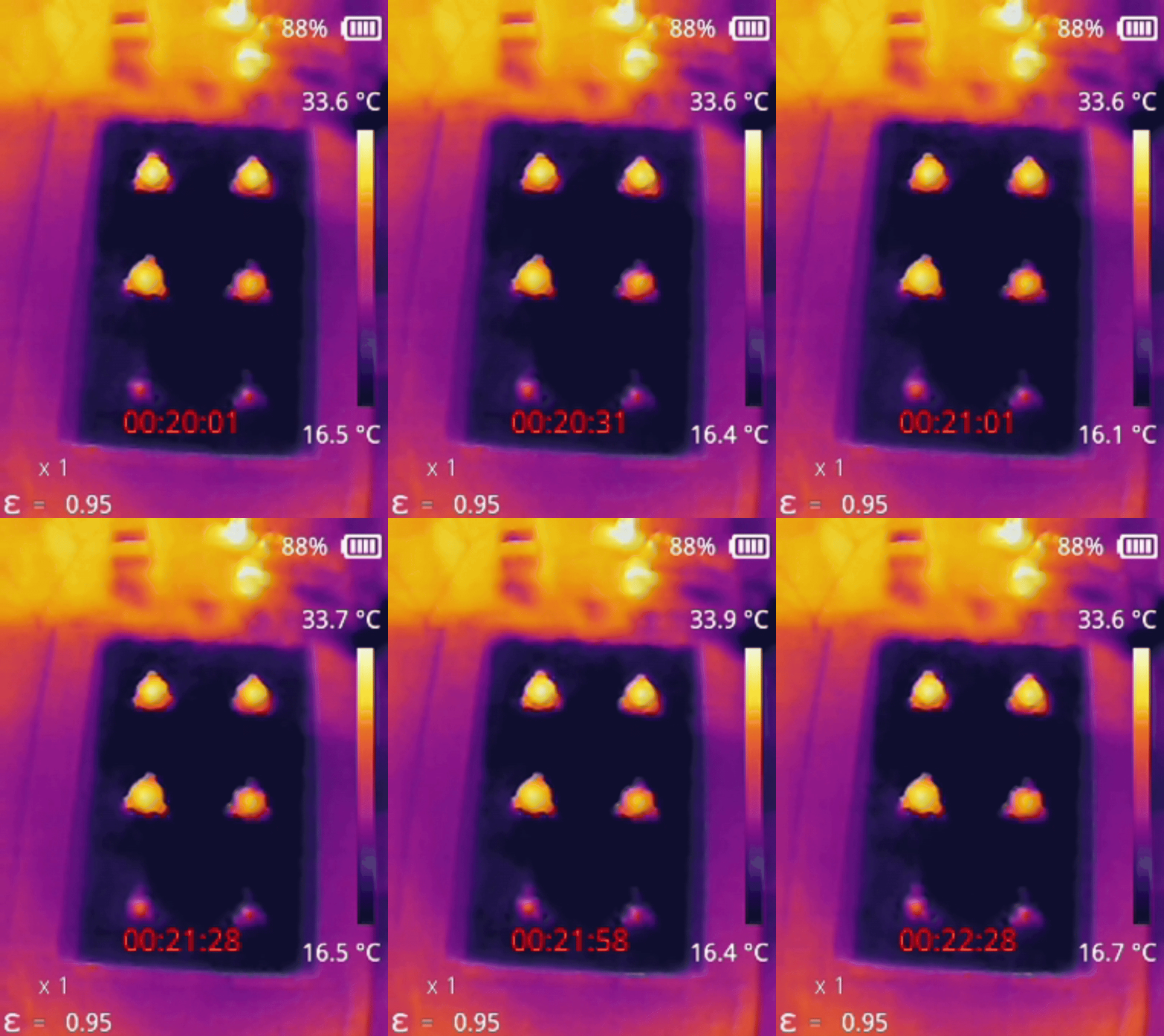
Creating a controled cool environment as wild fire prevenation strategy
At the core of the proposal is the integration of water and CO₂ harvesting mechanisms, that enable the units to utilize natural resources in their immediate environment as fire-mitigation tools. This not only reduces reliance on external energy sources but also redduce embers re-ignition in critical zones to help disrupt fire spread patterns.


Proposed living units cluster logic


Living units clusters are situated in between the urban environment and the wild lands

Living units clusters durability to winds carrying embers
The units feature atmospheric water harvesting systems based on dew collectors and metal-organic frameworks (MOFs), which condense moisture from the air to provide drinking water, fire suppression mist, and evaporative cooling. A CO₂-capturing membrane system supports local air purification in extreme conditions.Most critically, the units employ heat-reactive materials and embedded sensing technologies that allow each unit to transform in real-time


Protecting -Harvesting unit design
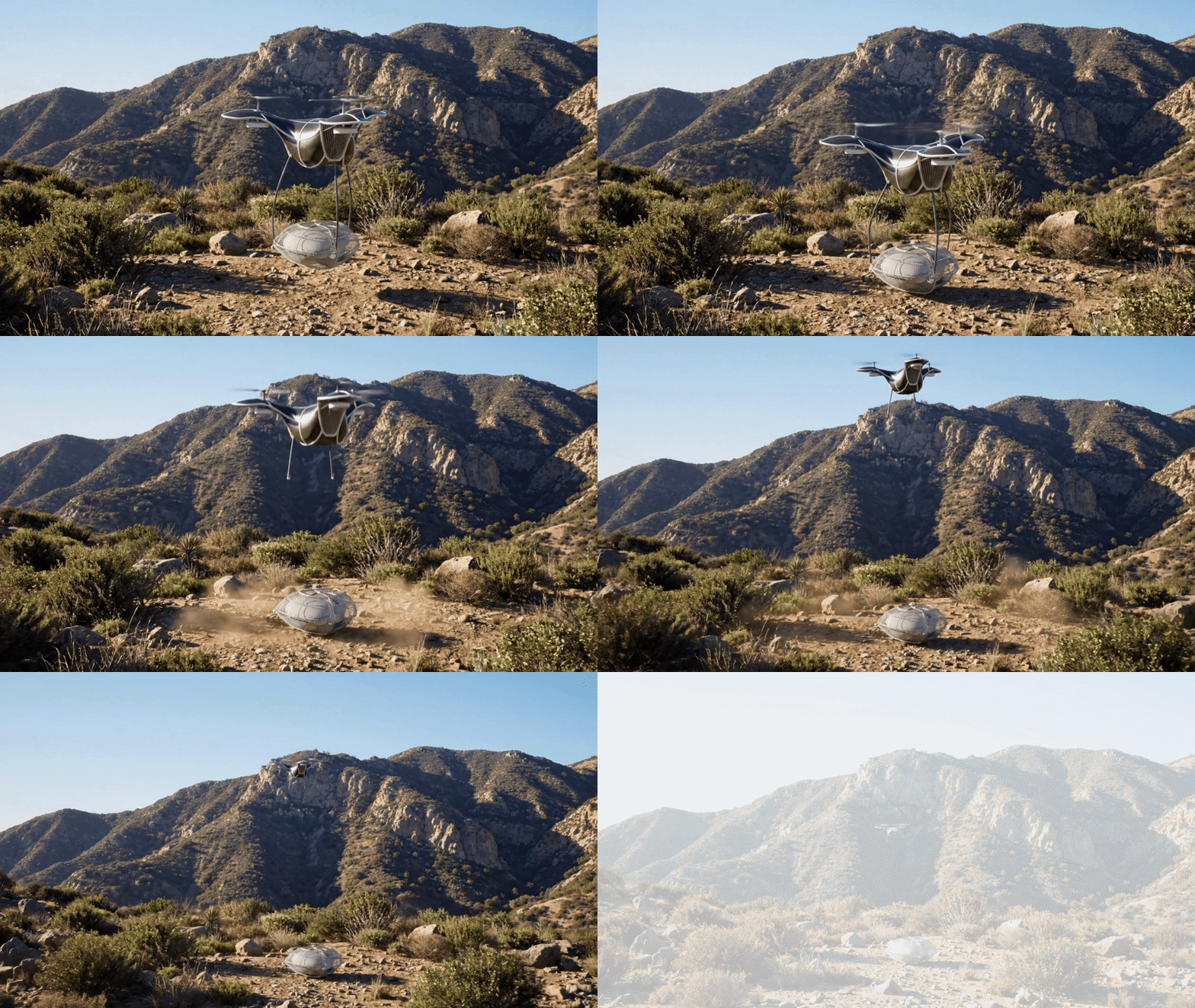
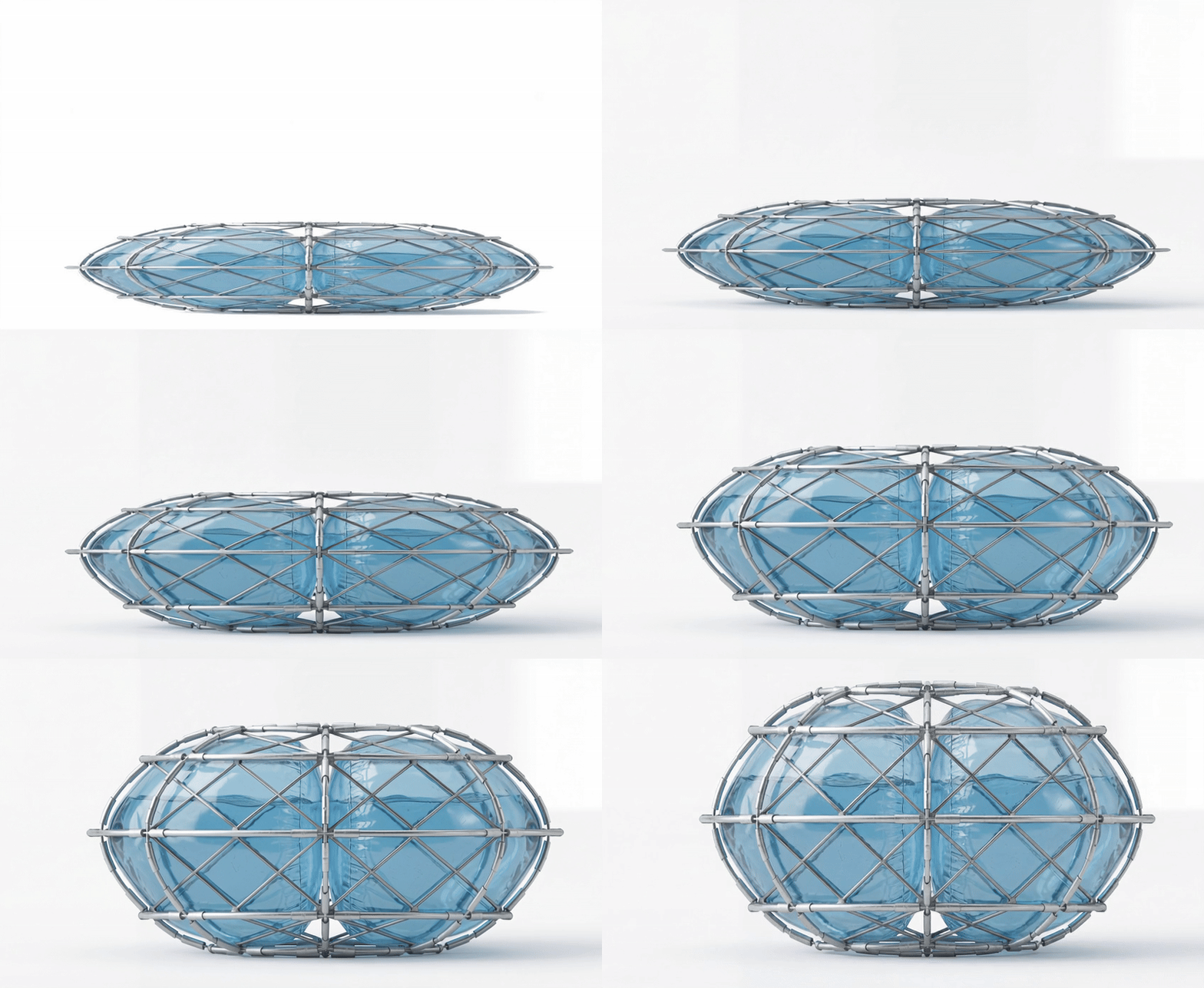
Protecting -Harvesting unit deployment on site

Protecting -Harvesting unit view on site
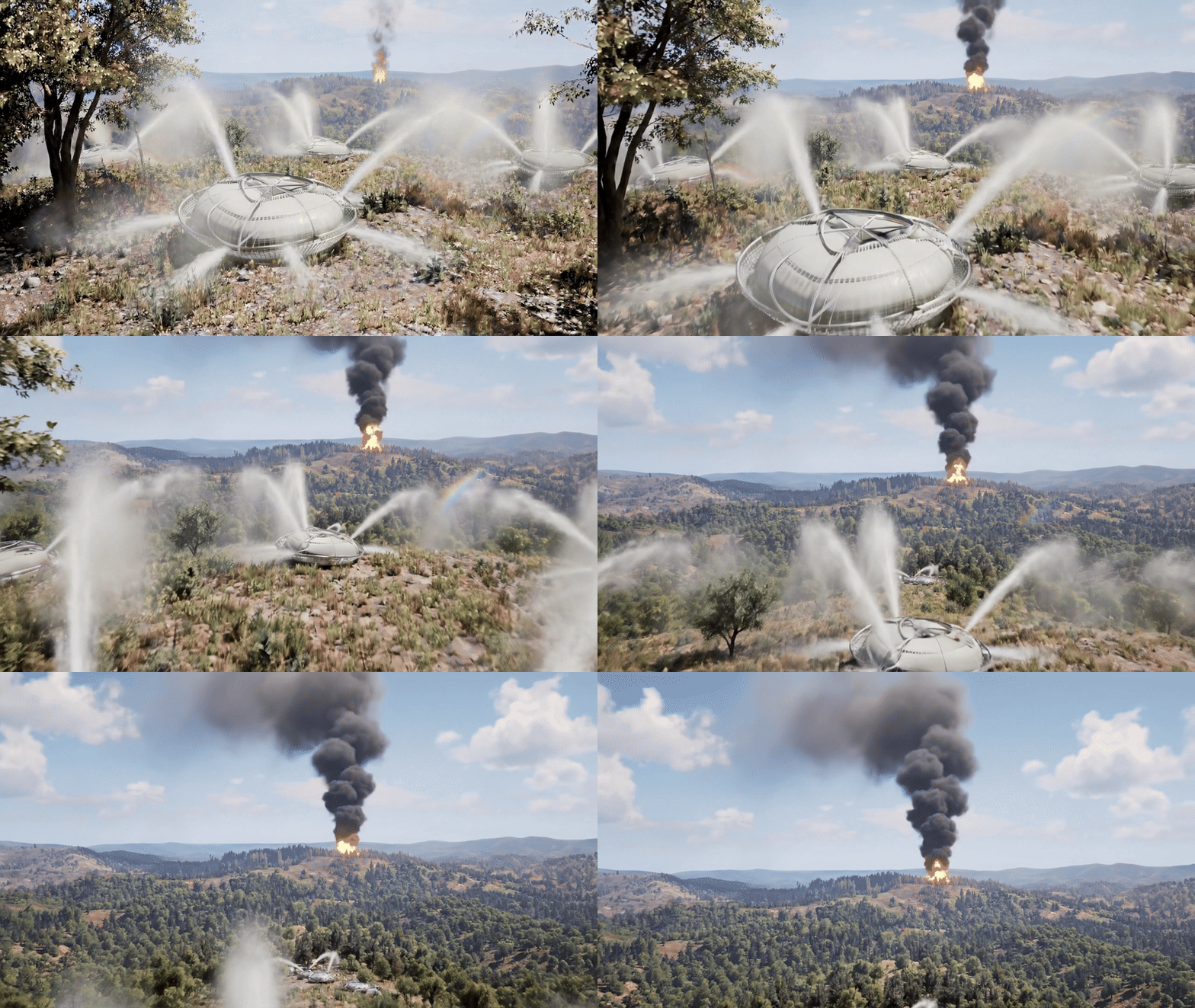
Protecting -Harvesting unit fire mitigation on site
These transformations include the deployment of cooling mist systems, and warning signals via mesh-network communication. The adaptability of the units allows them to serve as emergency shelters, mobile resource stations, or environmental buffers, depending on the severity of local conditions.
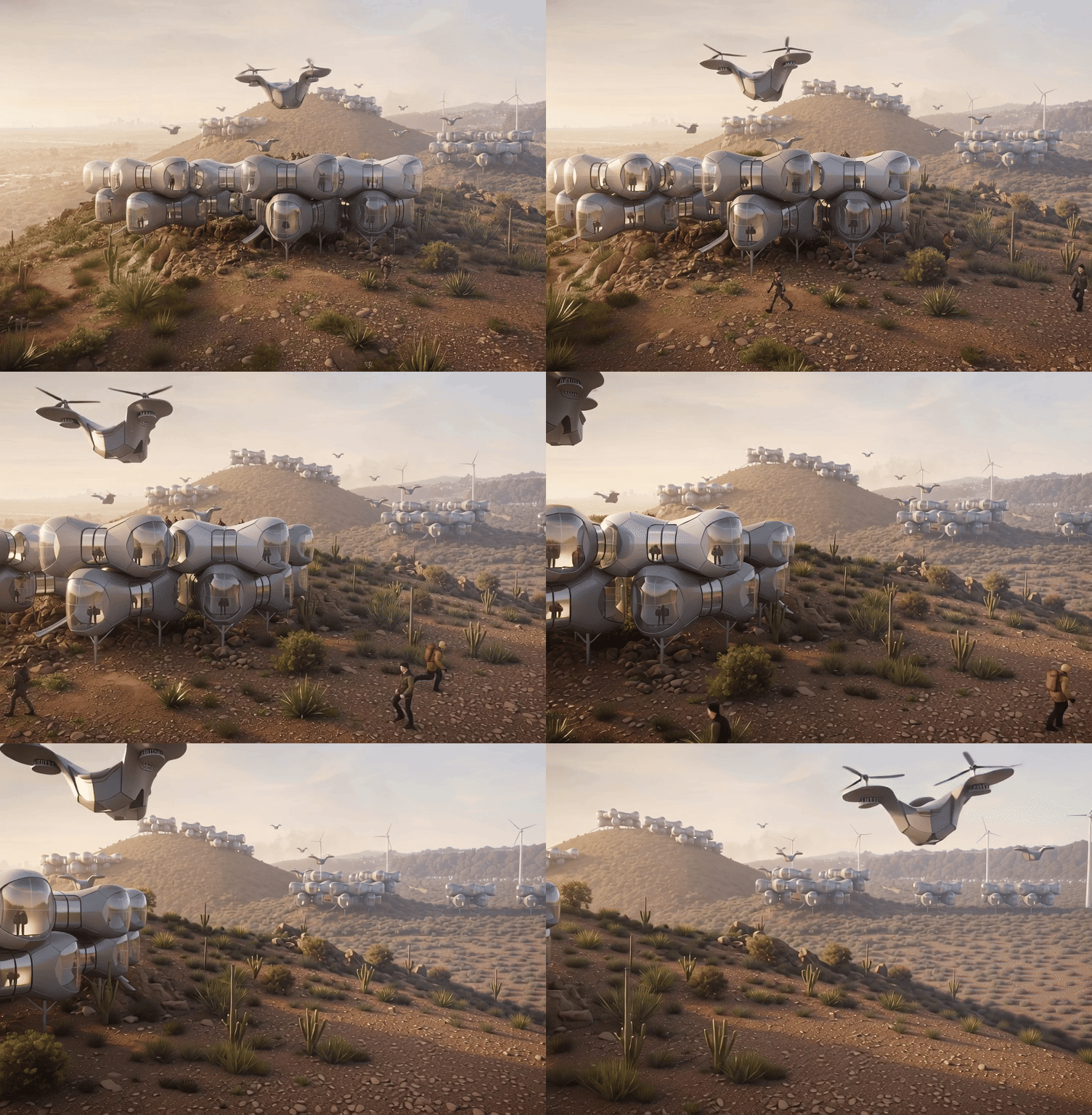
Living units cluster on site

Living unit section with escape unit deployment scheme
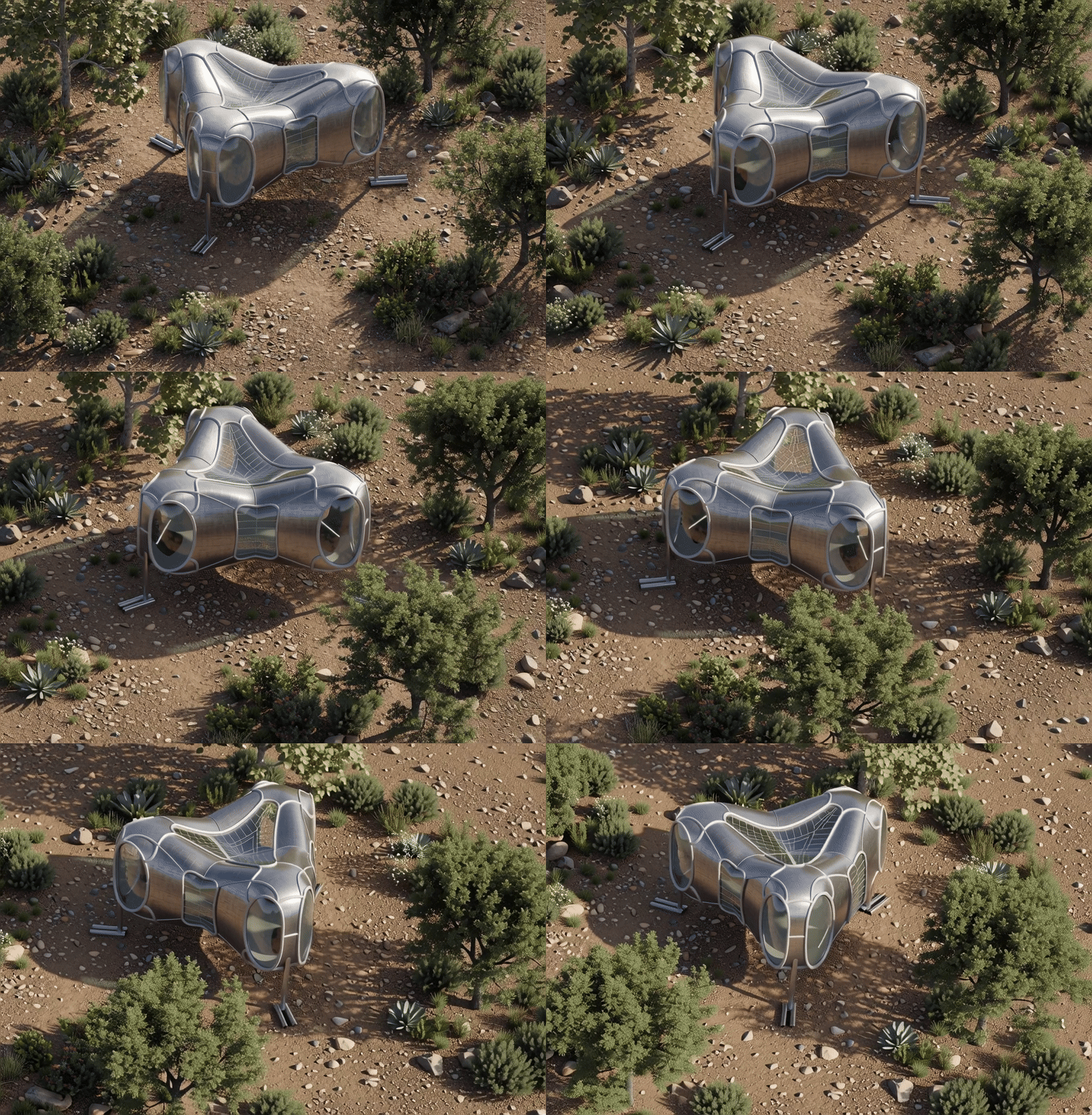
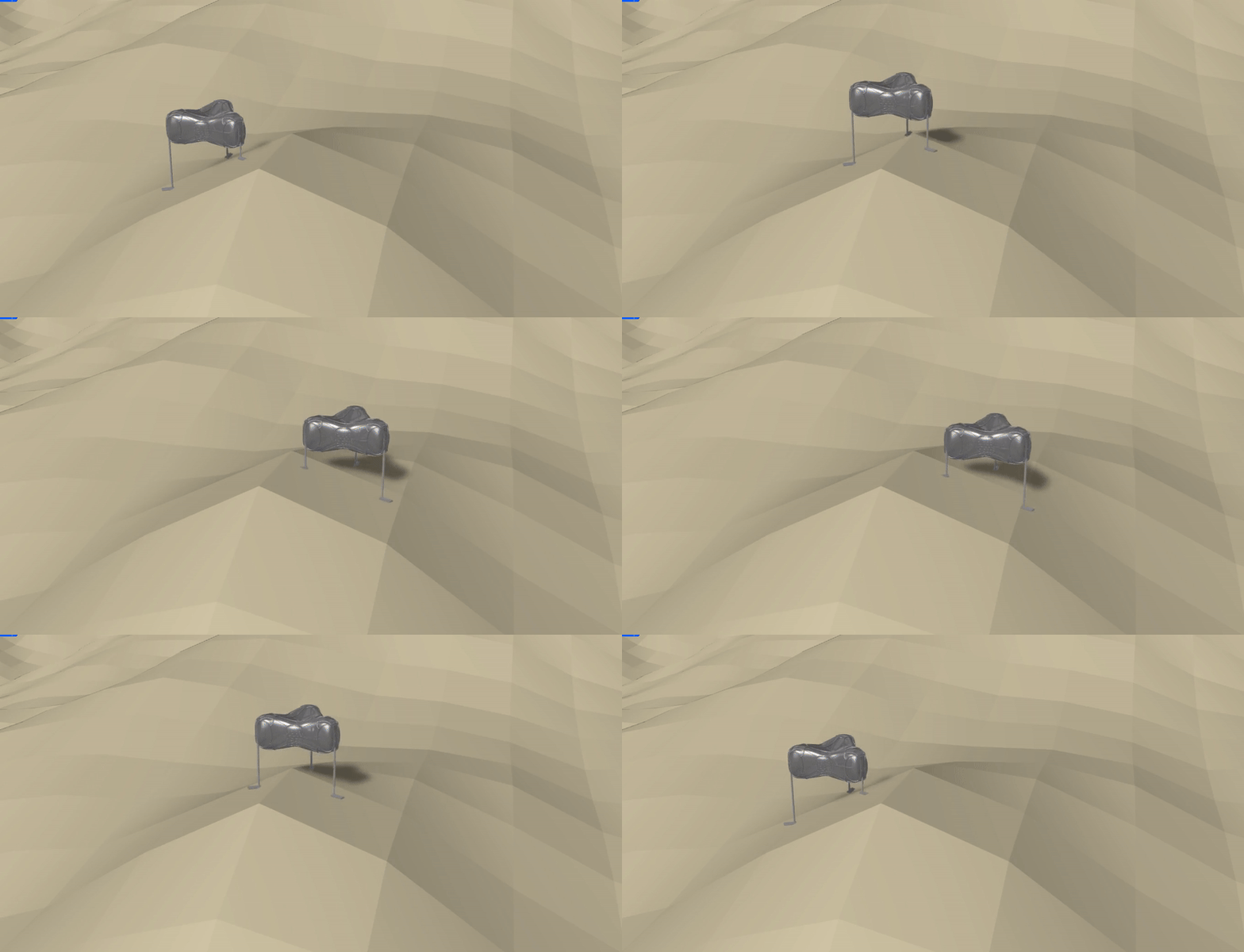

Living unit touch points with the ground
By embedding architecture with mobility, responsiveness, and ecological functions, the thesis advocates for a new form of architectural resilience, one that is not only reactive but also anticipatory, capable of coexisting with natural forces while providing protection and adaptability for vulnerable communities.


Plan layout 01

Plan layout 02

Plan layout 03

Living unit plan


Living unit components


Living unit prototypes

Living unit skin section showing its different materials

Night Render view of the living units clusters on site